
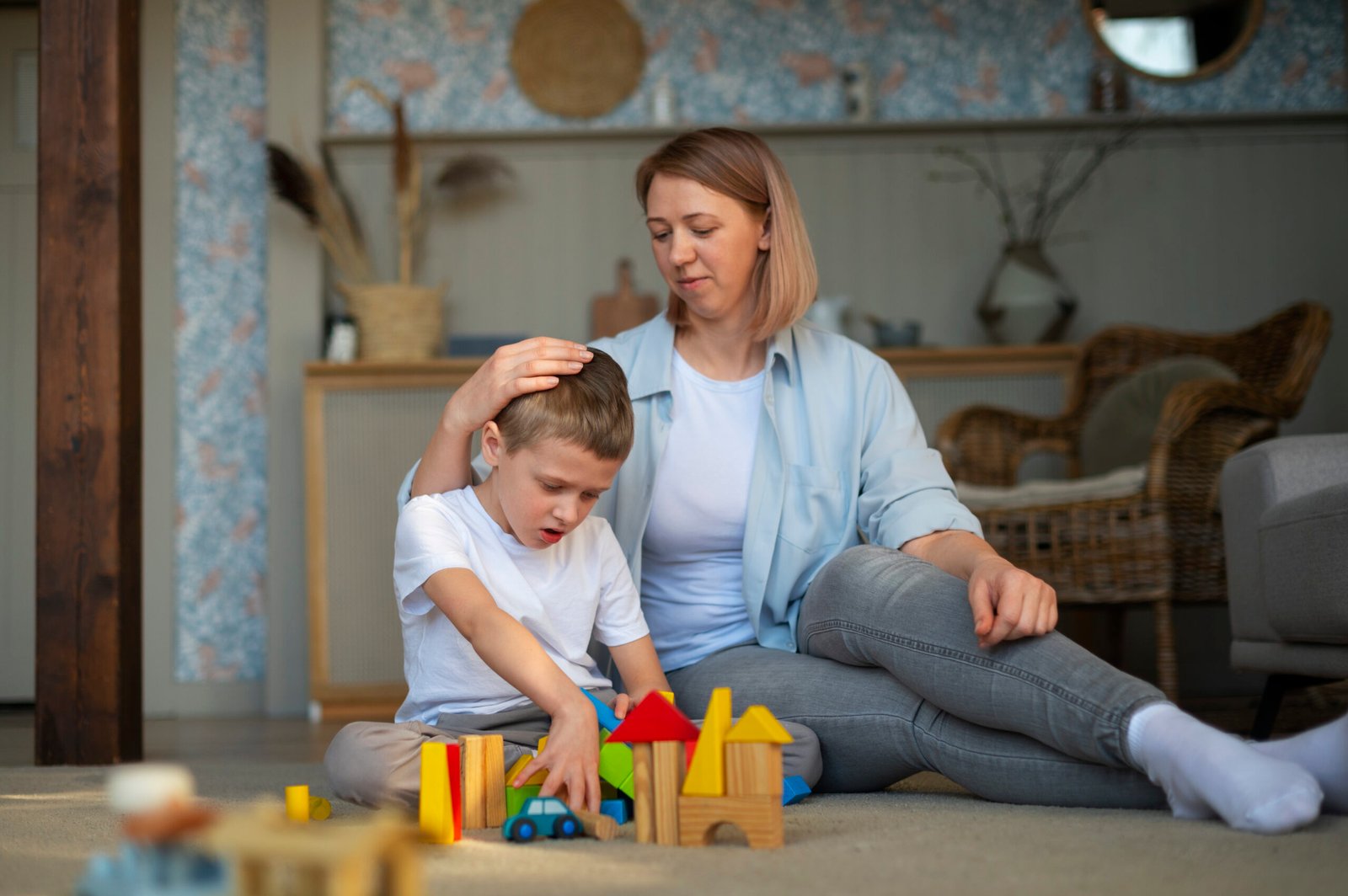
Strong communication and social skills are essential for daily life, learning, and building meaningful relationships. For many individuals, challenges in these areas can impact confidence, learning, and social success. Applied Behavior Analysis (ABA) therapy offers a structured, evidence-based approach to help individuals develop these skills in practical, meaningful ways.
Understanding Communication Challenges
Communication challenges can take many forms, such as difficulty expressing needs, limited verbal abilities, or trouble interpreting social cues. ABA therapy begins by identifying where communication breaks down and addresses these challenges step by step using proven behavioral techniques.
Each therapy goal is individualized to ensure progress occurs at a pace that is comfortable, effective, and sustainable for the person.
ABA Strategies for Communication Development
ABA therapy applies positive reinforcement and structured teaching methods to encourage effective communication. Key strategies include:
- Encouraging functional communication to express needs, wants, and emotions
- Developing receptive and expressive language skills
- Supporting non-verbal communication methods when appropriate
- Building confidence in initiating social interactions
By celebrating and reinforcing successful communication attempts, individuals learn that effective communication leads to positive outcomes and stronger social connections.
Strengthening Social Interaction Skills
Social skills extend beyond conversation. ABA therapy helps individuals:
- Engage appropriately with others
- Take turns and share responsibilities
- Understand boundaries and social norms
- Respond effectively in various social situations
Therapists use real-life scenarios and consistent practice to ensure that these skills can be applied across multiple environments, including home, school, and community settings.
Data-Driven Progress with Compassionate Support
ABA therapy relies on ongoing observation and data collection to track skill development and guide interventions. This ensures strategies remain effective, and goals evolve as skills improve.
Equally important is maintaining a supportive and encouraging environment. A positive therapeutic relationship helps individuals feel confident practicing new skills and learning from challenges.
Family and Caregiver Collaboration
Families and caregivers are essential partners in communication and social skill development. ABA therapy includes guidance and collaboration to help reinforce skills outside of sessions, ensuring consistency across daily routines.
Consistent support across environments strengthens learning, promotes independence, and ensures long-term success.
Supporting Long-Term Growth
Building communication and social skills is an ongoing journey. Through consistent ABA therapy, individualized goals, and supportive guidance, individuals gain the tools to form meaningful connections, navigate social situations effectively, and build confidence in everyday life.
Take the Next Step
ABA therapy provides structured, practical tools to enhance communication and social interactions. With evidence-based strategies, compassionate support, and data-driven planning, meaningful progress is achievable and sustainable.
Book a Free Consultation today to learn how ABA therapy can support communication and social skill development for your loved one.